Harmattan is coming: a dry-season checklist for your farm
Dry air, dust, cool nights and fire risk. Ten things to do before it peaks.

I walk farms with their owners, find what is holding them back, and write a plain plan to fix it, one affordable step at a time.
Before you put money into land, know what the ground can grow, what it will cost to get it producing, and who will run it. I check the land before you sign.
The best farms I have studied, from Ashanti to the English Cotswolds, have one thing in common. They look after the land first, and the yields follow.
Every good harvest starts underground. Feed the soil with what the farm already makes, and it feeds you back.
Shade, air, space and clean water. Most of the losses I see come from housing and water, not bad luck.
No expensive overhaul. One change, written down and checked, then the next.
What I do
Whether you are starting out or growing what you have, I help you build a farm that keeps producing, season after season.
Know which land suits which crop before you plant, buy or lease, so every cedi goes into ground that can deliver.
Farms designed to thrive through shifting rains and rising heat, with crops, soil and housing chosen to stay productive for years to come.
One point of contact, with the right specialists brought in at the right time to turn your goals into harvests.
Start with the one thing you need. When you're ready, I link the pieces together so the compost feeds the crops and the records show what paid.

Before you plant, I check which parts of your land suit which crop, what will limit the yield, and how the crop is likely to perform over the coming seasons.
Start here if you are about to buy, lease or plant land.

Turning crop leftovers, manure and kitchen waste into compost that feeds your soil, so you buy less fertiliser each season.
Start here if your soil is tired or fertiliser costs too much.
Try the compost mixer
Housing, feeding, disease prevention and the day-to-day problems, handled by our in-house poultry specialist, who has a proven track record of building successful poultry farms in Nigeria.
Start here if your birds are not growing, laying or surviving as they should.

Pens, shade, water lines and simple equipment that keep animals healthy and the farm productive.
Start here if you are building, expanding or losing animals.

Before you buy, lease or fund a farm: a site visit, a suitability map, a realistic picture of what it costs to get the land producing, and a frank opinion.
Start here if you are putting money into land or a farm project.
How it works
How I work
We walk it together. I listen to what you want and look at what you already have.
Land, soil, housing, feed or water: whatever is limiting your results.
A short plan with steps you can afford, in the right order, with the right partner where needed.
Simple records, and Wonfliki's data tools where they help, so we both see the results.

“The nation that destroys its soil destroys itself.”Franklin D. Roosevelt, 1937
Farm Check · 2 minutes · no sign-up
Seven questions about soil, water, crops, animals and records. Each answer fills in a part of your farm. At the end you get a score, your strongest area, and where I would start.
Try it yourself
Good compost needs about 25 to 35 parts carbon (dry, brown material) for every part nitrogen (fresh, green material and manure). Add what you have on your farm and see if the heap will work.
Your heap
– : 1
Start with what you have most of.
Parts by weight. Typical values; your materials will vary. Keep the heap as damp as a squeezed-out sponge and turn it every one to two weeks.

For investors
Many farm investments in West Africa fail for reasons a careful site visit would have shown: the wrong crop for the rain, no water in the dry season, or no one on the ground to run it.
A visit to the land with photos and notes on soil, water, access and what the neighbours grow.
A suitability map from soil, rainfall, slope and temperature data, prepared with Wonfliki.
What it takes to get the land producing, in what order, and the risks I would watch.

Now open
I will work with five founding farms in Ghana at no consulting fee.
My background is formal training in agriculture and close observation on farms, backed by partners with years of hands-on experience. These founding farms are where that turns into documented results.
Apply
It takes two minutes. I read every application myself and reply by email.
Field notes
Short, practical notes from farm visits: what worked, what didn't, and what it cost.
Dry air, dust, cool nights and fire risk. Ten things to do before it peaks.
Ownership, boundaries, water, rain, soil, roads, and who will run it.
Turn this season's harvest leftovers into next season's soil, for free.
Free. One letter every week or two. Easy to forward on WhatsApp.
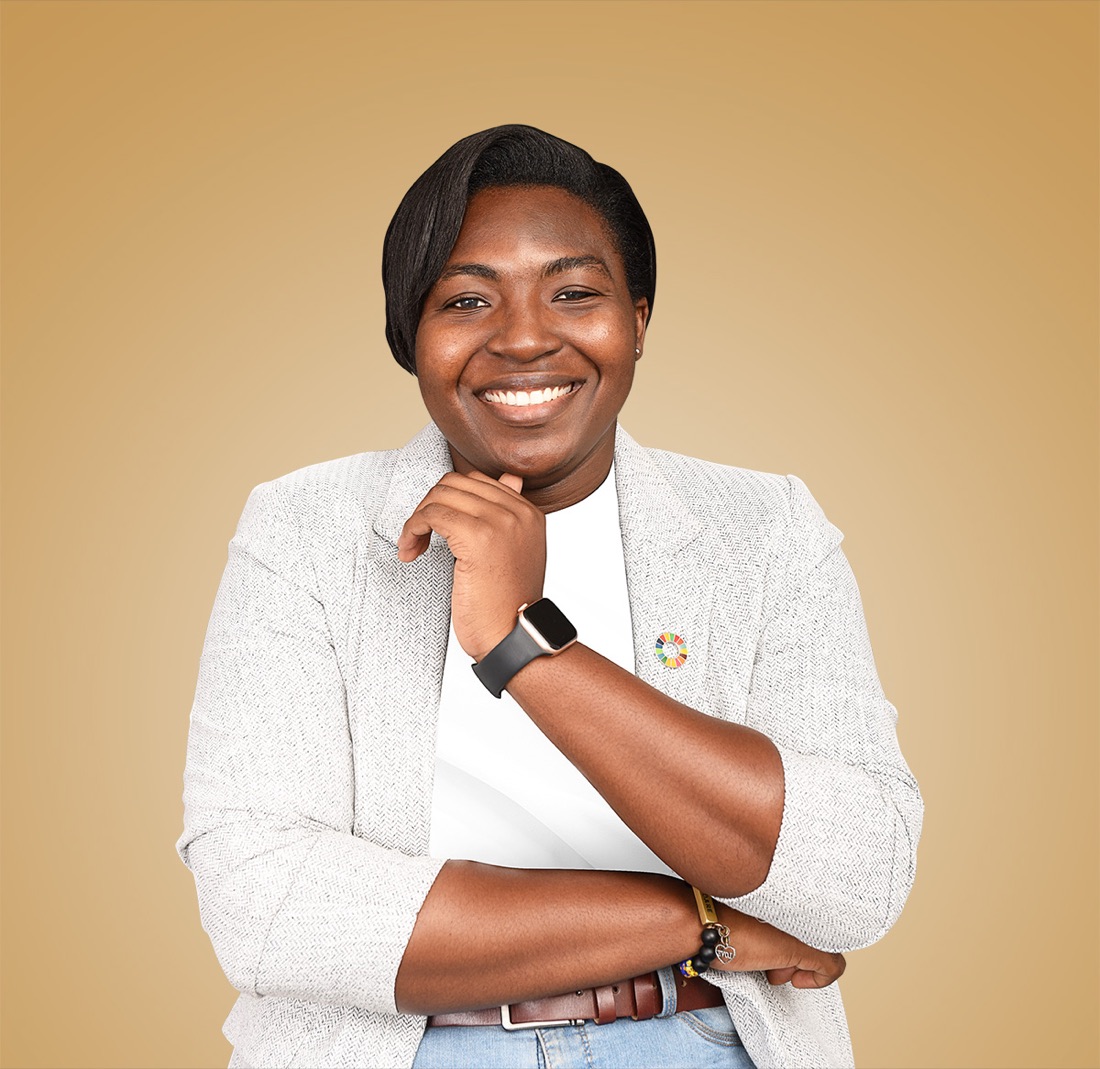
Who you work with
I'm a geomatic engineer who works in agriculture. I use maps and data where they help, and a farm walk and a notebook where they help more.
I have experience in agricultural technology and innovation, Geographical Information Systems (GIS) and geomatic engineering. I founded Wonfliki to bring crop data to Ghanaian farmers. I am your main contact: I assess the farm, write the plan and bring in the right people.
The crop and data company I founded: mapping, suitability data and monitoring.
Composting and soil advice.
Contact
Tell me where it is, what you keep or grow, and what you'd like to improve. Email is the best way to reach me, and I reply to every message.